Article | 2 July 2025
The Ultimate Guide to Modern Access Control Systems: From Biometrics to Cloud Solutions
Welcome to the dynamic world of modern access control systems, where cutting-edge technology meets the age-old quest for security. In an era where keeping unwanted visitors out is as crucial as ensuring a warm…
Introduction
Welcome to the dynamic world of modern access control systems, where cutting-edge technology meets the age-old quest for security. In an era where keeping unwanted visitors out is as crucial as ensuring a warm welcome for authorized personnel, understanding the nuances of access control becomes imperative. As we unravel this revolutionary field, you’ll discover how diverse solutions like biometrics and cloud integration are transforming our approach to security access.
Gone are the days when a simple lock and key were enough to secure a premise. Today, we’re in the realm of digital locks Egypt, smart locks Egypt, and keyless entry Egypt. Technologies have evolved, making it possible to create fortress-like defenses with just a click or swipe. According to recent studies from MarketsandMarkets, the global electronic access control systems market is expected to grow from USD 6.6 billion in 2021 to USD 11.1 billion by 2026, showcasing a compounded annual growth rate (CAGR) of 10.4%.
This evolution isn’t just about keeping up with trends; it’s about meeting real-world needs with adaptable security solutions. Imagine integrating facial recognition technologies into your building’s entry control systems or effortlessly managing visitor entries via mobile applications. Sounds like science fiction? It’s very much today’s reality.
- Biometric Access: From fingerprint scanners to retina recognition, biometric access offers unparalleled identity verification solutions that combine convenience with top-notch security.
- Cloud-Based Systems: With cloud technology, managing access becomes seamless and scalable, enabling remote monitoring systems Egypt-wide.
- CCTV Surveillance Integration: Enhancing your security infrastructure with CCTV surveillance not only deters unauthorized entry but also ensures comprehensive secure area monitoring.
The demand for more sophisticated door access systems grows as organizations realize the value of proactive protection over reactive measures. This shift towards an integrated approach is why companies like ours at Prosper Security are setting new standards in proactive protection across various sectors—from corporate offices employing advanced credential management systems to educational institutions adopting multi-factor authentication Egypt-wide.
If you’re ready to explore these innovations further and understand how they can be tailored to fit your unique needs, stay tuned as we delve deeper into each facet of modern access control systems in this comprehensive guide.
The Evolution of Access Control Systems
In the ever-evolving landscape of security access, understanding the historical trajectory of access control systems is akin to tracing the fascinating journey from a simple lock and key to the sophisticated integrated security solutions we have today. This evolution hasn’t just reshaped how we secure our homes and businesses, but it has also transformed our perception of safety in a digitized world.
From Ancient Locks to Modern Marvels
- The Humble Beginnings: Imagine ancient Egyptians relying on rudimentary wooden contraptions that served as locks—a far cry from today’s smart locks in Egypt. These early devices were a testament to human ingenuity and an early recognition of the need for controlled entry.
- The Industrial Revolution: Fast forward to the industrial era, when metal locks and keys became prevalent. While these provided enhanced security, they also introduced new challenges such as lost keys and unauthorized duplication.
- The Digital Leap: With the advent of electronics came electronic access control systems. Suddenly, sensors and key cards became the norm, providing a more reliable solution than their mechanical predecessors.
Biometrics: The New Frontier
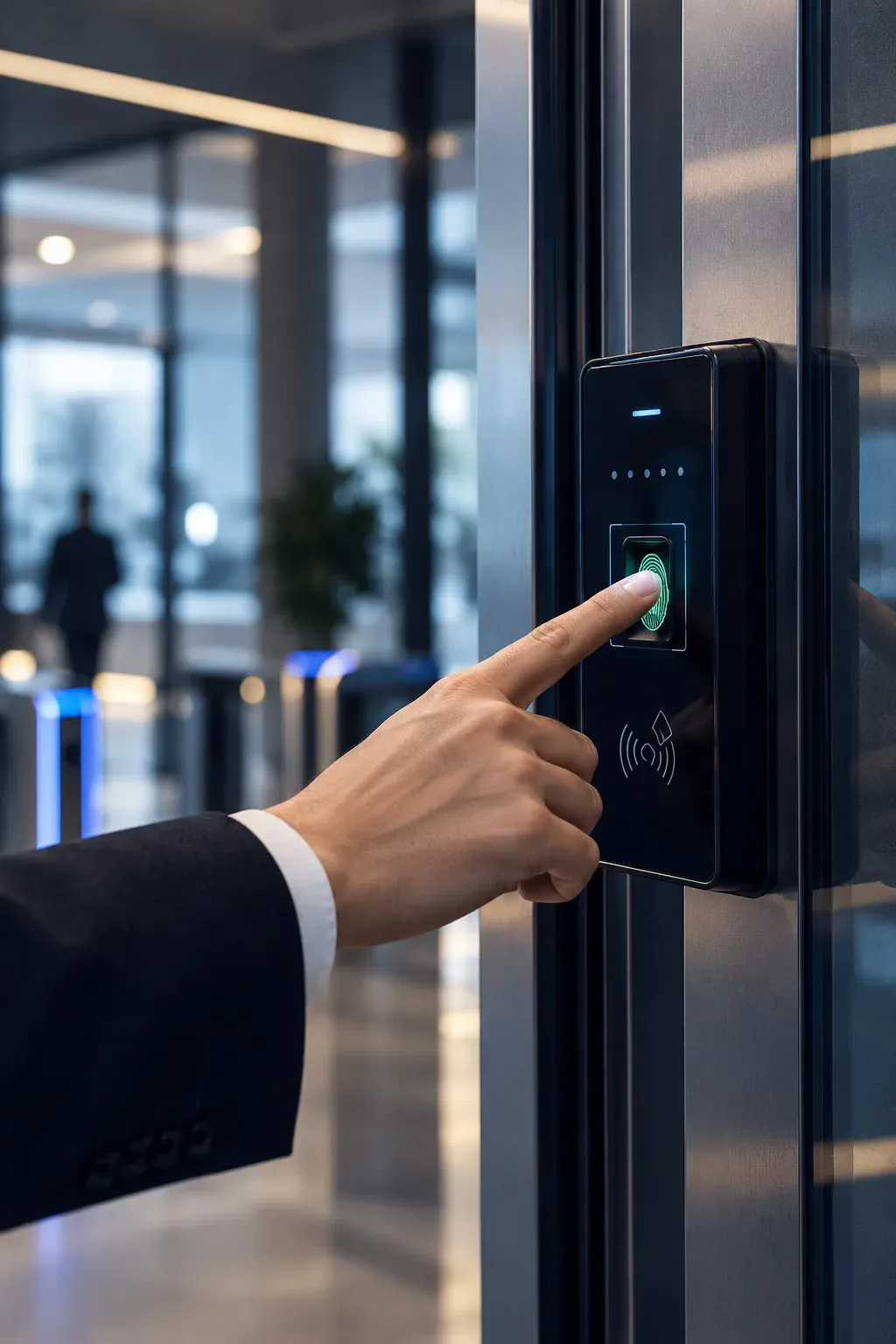
The introduction of biometric access systems marked a significant milestone in access management. Fingerprint scanners, facial recognition, and even iris scanners are now commonly used in secure entry systems worldwide. These technologies not only enhance security but also ensure that only authorized individuals gain entry without needing physical credentials. Interestingly enough, these systems offer a humorous relief for those who perpetually misplace their keys—your face or finger is always with you!
The Cloud Revolution
As technology continues its relentless march forward, cloud-based access control has emerged as a game-changer. These systems allow for remote monitoring systems in Egypt that can be managed via smartphones or computers regardless of location. This not only increases convenience but also significantly boosts efficiency through real-time data analytics—a boon for facility access management.
Moreover, cloud solutions have beautifully dovetailed with smart building technology in Egypt, creating environments where seamless integration with other security components like CCTV surveillance integration is possible. Such innovation ensures comprehensive protection while simplifying management tasks—truly revolutionizing how we perceive building security systems.
A journey that began with simple mechanical locks has culminated in sophisticated digital architectures that make accessing spaces both secure and convenient. As Prosper Security continues to lead this evolution by combining technology and expertise (as detailed here), one can only imagine what future innovations will unlock further doors—both literally and figuratively—in the realm of secure access.
Understanding Biometric Access Control
In the ever-evolving landscape of security access, biometric access control systems have emerged as a groundbreaking technology, transforming how we secure buildings and manage entry control. With the rise of smart building technology in Egypt and beyond, understanding these systems is crucial for anyone interested in modern security solutions.
The Science Behind Biometrics
Biometrics refers to the unique physical or behavioral characteristics used to identify individuals. Common modalities include fingerprint scanning, facial recognition, iris recognition, and voice recognition. These methods are increasingly integrated into physical security solutions, offering enhanced security measures that surpass traditional key card access systems.
- Fingerprint Scanning: One of the most common forms of biometric access, fingerprint scanners are renowned for their accuracy and quick authentication time.
- Facial Recognition: This technology scans facial features to grant access, offering a touchless experience perfect for pandemic-conscious environments.
- Iris Recognition: Known for its high level of precision due to the uniqueness of human irises, this method is employed in high-security zones.
- Voice Recognition: Utilizes unique vocal characteristics for identity verification, often used alongside other modalities in multi-factor authentication systems.
The Advantages of Biometric Systems
The core advantage of biometric access control lies in its ability to provide high levels of security with minimal user inconvenience. Here’s why businesses globally are gravitating towards such systems:
- Enhanced Security: Unlike passwords or key cards that can be lost or stolen, biometric data is inherently tied to an individual and difficult to replicate.
- User-Friendly Experience: Users enjoy a seamless entry experience without the need for physical tokens or remembering complex passwords.
- Scalability: Biometric systems can be scaled easily across multiple sites, making them ideal for large enterprises with diverse security needs.
- Integration Capabilities: These systems are often part of larger integrated security solutions that include surveillance systems Egypt and secure area monitoring technologies.
Caveats and Considerations
No system is without its challenges. While biometric access control boasts numerous benefits, it also faces issues related to privacy concerns and data protection. For instance, storing sensitive biometric data requires robust encryption methods and strict compliance with privacy regulations. Furthermore, there’s always room for improvement in market acceptance as individuals balance convenience with privacy considerations.
If you’re considering upgrading your office with cutting-edge security technology like biometric access control, Prosper Security Company , known for their future vision in proactive protection strategies, could offer valuable insights into implementing these advanced solutions seamlessly while ensuring data integrity at every step.
The Rise of Cloud-Based Access Control Solutions
In the ever-evolving landscape of security access, the emergence of cloud-based access control systems has been nothing short of revolutionary. Gone are the days when access management depended solely on physical locks and keys that seemed to perpetually vanish into the abyss (we all know that one colleague who never returned their keycard). Today, businesses and facilities are increasingly turning to the cloud to streamline entry control and enhance security measures.
So, what makes cloud-based solutions stand out from traditional methods? For starters, they offer unprecedented flexibility and scalability, allowing organizations to adapt quickly to changing security needs. Imagine having a security system that’s as dynamic as your business. With cloud-based access control, you can easily manage permissions, monitor entries in real-time, and integrate seamlessly with other digital security solutions.
Advantages of Cloud-Based Access Control Systems
- Remote Management: Whether you’re sipping coffee in Cairo or attending a conference in New York, you can manage your facility’s access control from anywhere with an internet connection.
- Scalable Solutions: Growing your business? Scale up your system without the hassle of installing new hardware. Simply adjust your software settings to accommodate more users or integrate with additional security components.
- Enhanced Data Security: With regular updates and advanced encryption methods (like those seen in top-tier cybersecurity), cloud solutions ensure that your sensitive data remains protected from unauthorized access.
- Cost-Effectiveness: Reduce infrastructure costs associated with traditional systems. Cloud solutions minimize upfront expenses by eliminating the need for extensive hardware installations.
A prime example of this shift can be seen in major metropolises like Egypt’s burgeoning tech hubs. Here, businesses are embracing cloud-based entry control to boost their operational efficiency while maintaining robust physical security solutions Egypt demands.
The trend towards embracing technology-driven security strategies is not just a fleeting tech fad; it’s rapidly becoming an industry standard. As we continue down this path, it is essential for companies to evaluate how these advancements can be leveraged effectively within their own operations. At Prosper Security, our commitment is clear: providing every individual with a safe environment through the latest technological innovations – a mission clearly reflected in our future vision for security and protection.
The Role of Multi-Factor Authentication in Secure Entry Systems
In an era where cyber threats seem as inevitable as the sunrise, multi-factor authentication (MFA) emerges as one of the most effective defenders against unauthorized access. Imagine MFA as the modern-day equivalent of a high-tech bouncer; not only do you need to know the secret handshake, but you also need to flash your ID and pass a retinal scan before entering. This layered approach enhances security by requiring two or more verification methods that are independent of each other, strengthening secure entry systems significantly.
Why Multi-Factor Authentication?
- Layered Security: Just like your favorite lasagna, layers make everything better. By adding extra layers, MFA ensures that even if one factor is compromised, unauthorized access is still thwarted.
- User Convenience: While it may sound complex, MFA can be surprisingly user-friendly. With options like biometric access (think fingerprints and facial recognition) or mobile push notifications, users can enjoy both enhanced security and simplicity.
- Mitigation of Traditional Risks: Passwords alone are often weak links. According to a 2021 report by Verizon, credentials were involved in 61% of data breaches. MFA helps cover those gaps by demanding more than just a password for access.
MFA is not just about keeping cyber crooks out; it’s about creating an environment where legitimate entry is seamless yet secure. From biometric access, such as fingerprints or retina scans, to token-based authentication and smart card systems, its applications in access control are virtually endless. In locations like Egypt where innovation meets tradition, integrating these solutions into existing frameworks becomes crucial for comprehensive security systems.
MFA in Practice: Real-World Applications
Consider a corporate office building in Cairo implementing office security solutions. The integration of MFA could involve employees using biometric scanners coupled with RFID badge readers at entry points. Meanwhile, visitors might receive temporary access codes sent to their smartphones after registering at a digital kiosk—a perfect blend of technology and convenience.
The artistry of multi-factor authentication lies in its adaptability across various sectors—from safeguarding sensitive data in financial institutions to ensuring secure facility access management in healthcare settings. The key takeaway? When it comes to safeguarding your assets and ensuring peace of mind with MFA, more really is more.
If you’re pondering over how multi-factor authentication can enhance your organization’s security landscape or wish to explore further innovations in the field, delve into our insights on how Prosper Security Company combines technology and expertise for unbeatable protection solutions at [Prosper Security’s Blog](https://prosper-security.com/sectors/).
Sustainable Security: The Impact of Smart Building Technology on Access Management
As the twenty-first century marches on, our buildings are getting smarter, and so are the strategies for keeping them secure. The intersection of sustainable architecture and smart technology is not just the stuff of sci-fi; it’s rapidly becoming the norm in security access solutions today. But what exactly does this mean for access management?
Smart Buildings: More than Just a Pretty Facade
First things first, let’s debunk a common myth—smart buildings aren’t just about sleek glass facades or energy-efficient lighting. They’re dynamic ecosystems where modern technology integrates seamlessly with architectural design to enhance comfort, efficiency, and yes, security. By employing smart building technology, companies can elegantly marry eco-friendly designs with cutting-edge physical security solutions.
- Integrated Systems: Smart buildings use integrated systems that combine access management, HVAC controls, and lighting to create an interconnected environment.
- Real-Time Monitoring: These properties utilize real-time data to make instant adjustments based on current usage patterns or security breaches.
- Sustainable Practices: By reducing energy consumption and lowering carbon footprints, smart buildings contribute significantly to sustainability goals.
The Role of Cloud-Based Access Control Systems
An essential component of this tech revolution is cloud-based access control systems. Gone are the days when a forgotten key meant being locked out in the rain (cue dramatic music). These systems allow for remote monitoring and management through IoT-enabled devices, giving you control at your fingertips—literally.
The benefits? Imagine managing employee access tracking or visitor entries without having to shuffle through a rolodex of security badges! With cloud-based systems, updates happen in real-time across all platforms:
- User credentials can be easily updated or revoked remotely.
- Advanced reporting tools allow for detailed analytics on entry control patterns.
- Multi-factor authentication ensures that only authorized personnel gain entry.
According to recent reports by MarketsandMarkets[1], the global market size for smart building technologies is expected to grow from USD 67.60 billion in 2021 to USD 121.6 billion by 2026—a clear testament to their burgeoning impact on both environmental sustainability and security efficacy.
A Step Forward for Facility Access Management
The integration of smart building technology into access management truly represents a step forward in facility security. Providing seamless adaptability while embracing sustainable practices makes it an enticing prospect for businesses aiming to set new standards in proactive protection—just like us here at Prosper Security Company!
No more will you have to choose between Mother Earth and modernity; with smart buildings leading the way, you can protect both your assets and our planet simultaneously. Now that’s what I call killing two birds with one sustainably-sourced stone!
[1] MarketsandMarkets: [Smart Building Market by Component (Solution & Services), Solution (Safety & Security Management), Building Type (Residential & Commercial), Region – Global Forecast to 2026](https://www.marketsandmarkets.com/Market-Reports/smart-building-market-1169.html)
Sustainable practices are reshaping how we think about security. Explore smart building technology’s role in creating environmentally friendly yet secure environments through efficient energy use with digital locks Egypt and automatic door openers Egypt.
Sustainable practices are reshaping how we think about security. Explore smart building technology’s role in creating environmentally friendly yet secure environments through efficient energy use with digital locks Egypt and automatic door openers Egypt.
Sustainable practices are reshaping how we think about security. Explore smart building technology’s role in creating environmentally friendly yet secure environments through efficient energy use with digital locks Egypt and automatic door openers Egypt.
Sustainable practices are reshaping how we think about security. Explore smart building technology’s role in creating environmentally friendly yet secure environments through efficient energy use with digital locks Egypt and automatic door openers Egypt.
- Diverse Methods: Combining smart cards, biometric scans, and passcodes.
- Diverse Methods: Combining smart cards, biometric scans, and passcodes.
- Diverse Methods: Combining smart cards, biometric scans, and passcodes.
- Diverse Methods: Combining smart cards, biometric scans, and passcodes.
- User Experience: Balancing security with convenience for seamless employee access tracking Egypt.
- User Experience: Balancing security with convenience for seamless employee access tracking Egypt.
- User Experience: Balancing security with convenience for seamless employee access tracking Egypt.
- User Experience: Balancing seguridad con comodidad para un seguimiento perfecto del acceso de los empleados en Egipto.”)
- Cultural Considerations: Implementation strategies for multi-factor authentication Egypt.
- Cultural Considerations: Implementation strategies for multi-factor authentication Egipto.”)
- Cultural Considerations: Estrategias de implementación para la autenticación multifactor en Egipto.”)
News & insights
More news

The Evolution of Security Companies in Egypt: Innovation Meets Tradition
You might think security services in Egypt are a modern phenomenon, but here’s the kicker: the roots of organized protection go back thousands of years. Ancient Egyptians had their own forms of security, with guards…Read more
Event Security Services: Ensuring Safe and Secure Gatherings
Imagine planning an outdoor concert for thousands, only to realize you’ve overlooked the fact that your venue is prone to flash floods. Yikes! A comprehensive risk assessment is like a security blanket for your…Read moreCorporate Security Guards: Essential Investment for Modern Businesses
In today’s world, where uncertainties lurk around every corner much like that one friend who always shows up uninvited businesses are increasingly recognizing the need for robust security measures. Enter the company…Read more